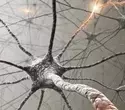
A groundbreaking collaborative scientific endeavor has culminated in the most comprehensive mapping of the basal ganglia to date. This pivotal brain region is intricately involved in a wide spectrum of psychiatric and neurological disorders. The research marks a significant step forward in understanding the complex architecture of the human brain and its implications for various diseases.
Researchers embarked on an ambitious project, meticulously analyzing more than 25 million individual cells within the basal ganglia. This monumental effort generated an unprecedented volume of data, enabling them to construct a precise 'parts list' of the cellular components present in this brain area and to delineate their organizational structure. During this intensive process, scientists made a remarkable discovery: a previously uncharacterized type of neuron that appears to play a role in the pathology of schizophrenia. Furthermore, their investigations pinpointed specific cell types that exhibit strong associations with other significant mental health conditions, including depression, bipolar disorder, and post-traumatic stress disorder, offering new avenues for targeted research and potential therapeutic interventions.
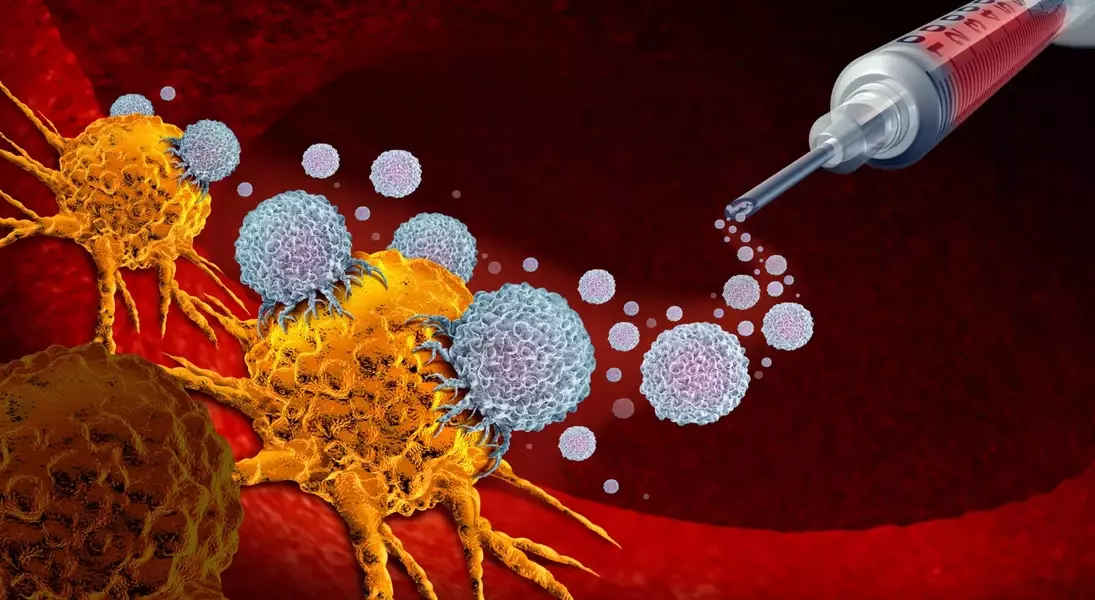
The immediate impact and potential of this detailed mapping have already been demonstrated through preliminary studies. The enhanced understanding of brain cell types is proving invaluable in the quest for more precise therapeutic delivery. In a compelling example, scientists working with mouse models of Parkinson's disease showcased the efficacy of a gene therapy. This therapy, specifically engineered to target a subset of basal ganglia cells, achieved comparable results to a broader, less targeted approach, yet with the distinct advantage of being safer due to its focused action. This illustrates a promising paradigm shift towards highly specific treatments that minimize off-target effects and improve patient outcomes.
This detailed anatomical and cellular blueprint of the basal ganglia not only offers profound insights into the fundamental workings of the brain but also opens up new frontiers for the development of advanced treatments for a range of debilitating disorders. The ability to identify specific cell types involved in various conditions paves the way for highly targeted interventions, promising a future of more effective and safer neurological and psychiatric care.