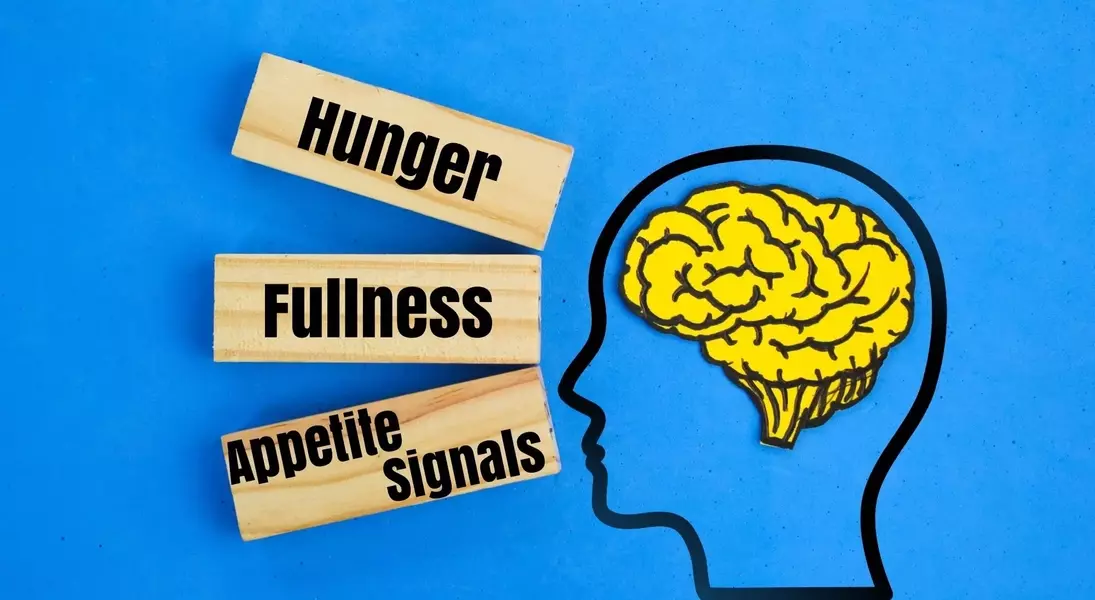
Emerging research indicates that adopting an intuitive eating approach, which emphasizes listening to the body's natural hunger and fullness signals, extends its positive influence beyond dietary habits to encompass broader aspects of health and well-being. This non-diet paradigm offers a more sustainable path than traditional restrictive eating plans, which often face challenges in long-term adherence and efficacy. The inherent flexibility and simplicity of intuitive eating may contribute to its greater success in promoting lasting behavioral changes.
Intuitive Eating: A Deeper Look into its Comprehensive Health Benefits
In a detailed investigation published in the Journal of Behavioral Medicine, researchers delved into the connections between intuitive eating practices and various lifestyle factors, alongside chronic health conditions. The study involved a diverse cohort of over a thousand adults across the United States. Participants completed an online survey that gathered demographic information, assessed food security using the short form of the Food Security Survey Module, and measured intuitive eating tendencies via the Intuitive Eating Scale (IES-3). General health perceptions were captured using an item from the Short Form Health Survey.
To gauge health behaviors, the International Physical Activity Questionnaire was utilized, alongside self-reported data on substance use, daily fruit and vegetable consumption, and typical weeknight sleep duration. Participants also provided information on their stress levels over the preceding two weeks and any history or current diagnoses of hypertension, hyperlipidemia, or type 2 diabetes. The research team employed regression models to analyze these associations, controlling for variables such as gender, age, and ethnicity. An additional exploratory analysis examined potential differences in these associations based on gender.
The study's findings revealed that a higher degree of intuitive eating was consistently associated with enhanced self-reported general health and significantly lower stress levels. In terms of behavioral health, individuals practicing more intuitive eating also reported greater engagement in physical activity. Specifically, each unit increase in intuitive eating correlated with a higher likelihood of achieving at least seven hours of sleep on weeknights. Interestingly, no significant associations were found between intuitive eating and substance use, fruit/vegetable intake, or alcohol consumption frequency. Crucially, higher intuitive eating scores were linked to a reduced probability of having a current or prior diagnosis of type 2 diabetes, hypertension, or hyperlipidemia. A noteworthy interaction emerged regarding stress, with intuitive eating showing a stronger correlation with reduced stress in women compared to men.
This study underscores the potential of intuitive eating as a robust framework for health promotion. While its cross-sectional design limits conclusions about direct causation, the consistent positive associations across multiple health indicators suggest that fostering an intuitive relationship with food may be a valuable strategy for improving overall physical and mental well-being. Future longitudinal and intervention studies are essential to establish causality and further delineate the long-term impact of intuitive eating on health behaviors and cardiometabolic outcomes.