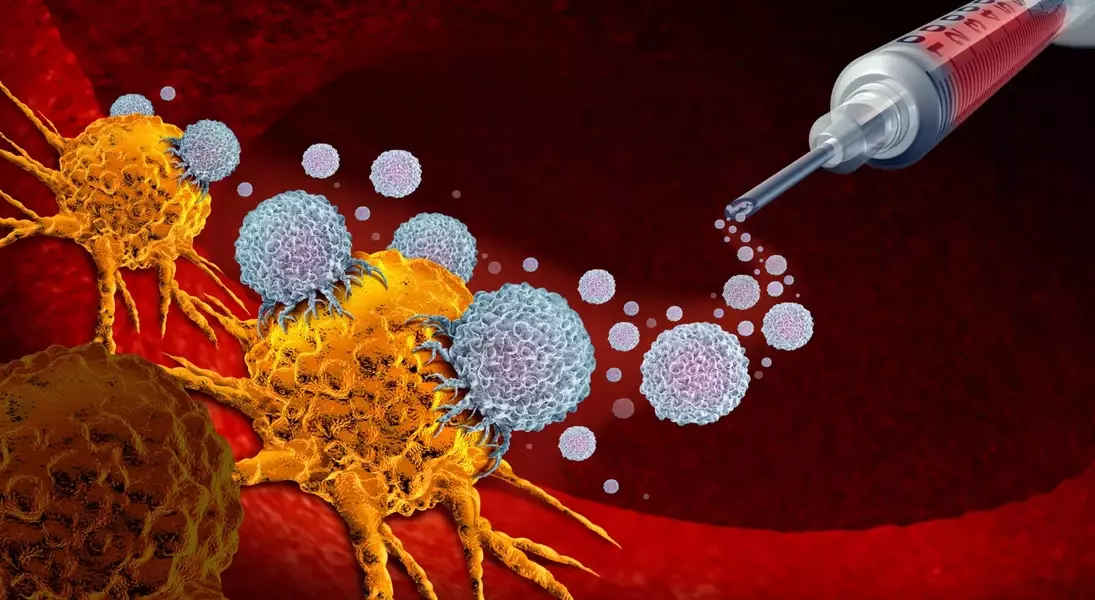
The U.S. Food and Drug Administration (FDA) has consistently voiced reservations regarding the adequacy of data submitted by Replimune in support of its innovative skin cancer therapy. This ongoing debate highlights the intricate challenges biopharmaceutical companies face when navigating regulatory pathways, especially for treatments targeting complex conditions. As Replimune prepares for its third review, the spotlight remains on the integrity of clinical trial methodologies and the rigorous standards required for drug approval.
FDA Reiterates Data Concerns for Replimune's RP1 Skin Cancer Therapy Amidst Advisory Committee Review
In a significant development, on Tuesday, July 28, 2026, the Food and Drug Administration (FDA) released briefing documents ahead of a pivotal advisory committee meeting scheduled for later this week. These documents underscored the agency's persistent doubts concerning the clinical evidence provided by Replimune for its investigational skin cancer treatment, RP1. The core of the FDA's apprehension centers on Replimune's reliance on a single-arm study design. This particular trial enrolled patients whose melanoma had previously shown resistance to PD-1 inhibitor therapies. In the study, these patients received RP1 in conjunction with the established PD-1 inhibitor, Opdivo. The FDA's stance is that this study design does not adequately establish the efficacy of RP1 independently, nor does it definitively demonstrate whether the locally administered treatment confers systemic benefits against the cancer.
Conversely, Replimune has vigorously defended its trial methodology in its own submitted briefing materials. The biotech firm argues that conducting a randomized, placebo-controlled trial, which would involve withholding RP1 or administering a placebo alongside PD-1 inhibitors to patients whose disease has progressed despite prior PD-1 treatment, would be both impractical and unethical. Replimune contends that there is no existing clinical evidence to suggest that continued monotherapy with anti-PD-1 agents would offer any tangible clinical advantage to this specific patient population. This disagreement between the regulatory body and the pharmaceutical company highlights a fundamental tension in drug development: balancing the ethical considerations of patient care with the scientific imperative for robust, conclusive clinical data.
This ongoing dialogue between the FDA and Replimune exemplifies the inherent complexities in the drug approval process, particularly for advanced therapies in oncology. It underscores the critical need for transparent and ethically sound clinical trial designs that can withstand rigorous scientific scrutiny while also addressing the urgent medical needs of patients. The forthcoming advisory committee meeting is poised to be a crucial forum, not only for the fate of Replimune's RP1 but also for shaping future regulatory expectations for novel cancer treatments.