This in-depth analysis scrutinizes the evolving discourse surrounding the application of psychedelic substances in cancer care. It extends beyond their established efficacy in mitigating the existential dread experienced by terminally ill patients, venturing into the complex interplay between tumor biology and neurological pathways. The review meticulously dissects current research, delineating clinically supported psychological benefits, speculative immune system hypotheses, and areas where scientific evidence remains inconclusive or contradictory. The authors underscore the imperative for stringent scientific inquiry to ascertain both the anti-tumor potential and the comprehensive safety profile of these compounds.
Report on the Potential of Psychedelics in Cancer Therapy
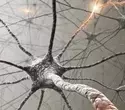
A recent scholarly review, published in the journal Psychedelics, illuminates an intriguing facet of cancer biology: the capacity of certain tumors, particularly gliomas, to integrate into neuronal networks. This phenomenon, termed malignant synaptic plasticity, involves tumor cells forming functional, synapse-like connections with surrounding neurons, exploiting neurotransmitters like glutamate and growth factors such as neuroligin-3 and BDNF for their proliferation. Similar neuro-invasive strategies have been observed in other cancers, including prostate, breast, and pancreas, where autonomic and sensory nerve infiltration is linked to tumor growth, notably through norepinephrine and beta-adrenergic signaling in prostate cancer.
The review, spearheaded by researchers Feilong Cheng, Dr. Cong Lin, and Professor Xiaohui Wang from the Changchun Institute of Applied Chemistry, Chinese Academy of Sciences, alongside Professor Shanwen Chen of Peking University First Hospital, posits a thought-provoking question: if cancer leverages the nervous system, could nerve-modulating psychedelics offer a therapeutic counter-strategy? The authors acknowledge the current lack of definitive answers, emphasizing the nascent stage of this investigative field.
The report, presented as a hypothesis-generating narrative review, systematically categorizes evidence from targeted literature searches across PubMed/MEDLINE, Web of Science, and Google Scholar from January 2000 to December 2025. It prioritizes randomized controlled trials in oncology and palliative care, alongside recent mechanistic studies, without formally quantifying the number of included studies or assessing their bias risks. A distinctive feature of this review is its tiered classification of claims into clinically supported, human-mixed, preclinical, or hypothetical, akin to a geological survey labeling bedrock from loose sediment.
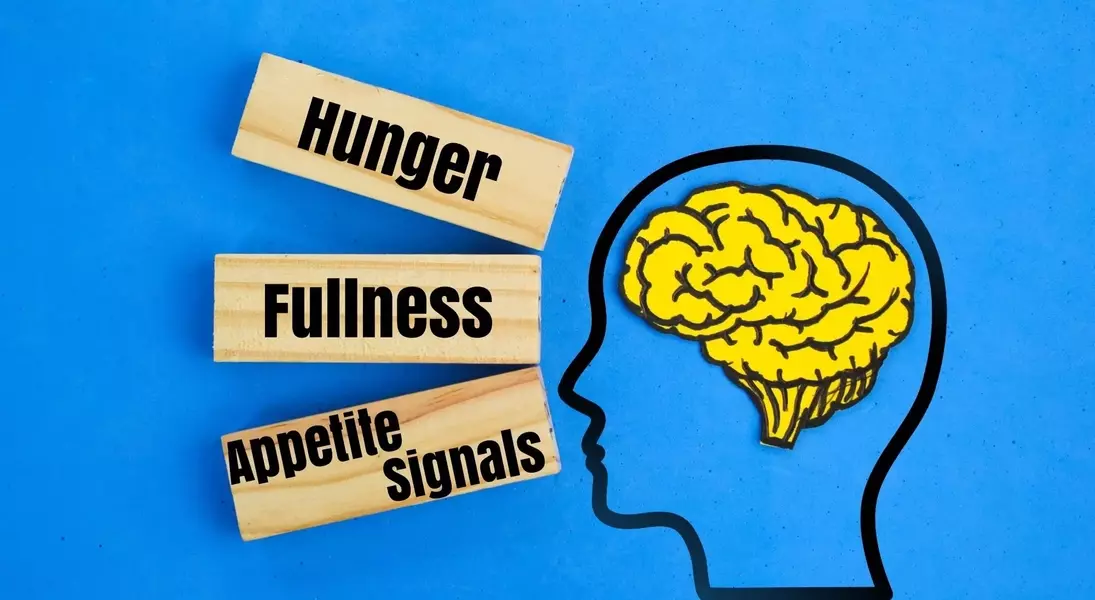
The most robust evidence pertains not to tumor eradication, but to the profound psychological relief offered to patients facing advanced cancer. Clinical trials from 2016 demonstrate that one or two supervised high-dose psilocybin sessions, integrated with structured therapeutic support, significantly reduce cancer-related anxiety, depression, and existential distress. Patients reported an enhanced sense of meaning, acceptance, and interconnectedness. Neuroimaging studies suggest psychedelics achieve this by disrupting the default mode network, responsible for self-referential thought, and increasing inter-network connectivity. However, the authors caution against overstating the direct link between these neurological changes and the observed psychological improvements.
Regarding pain management, the evidence is less conclusive. While early case studies and chronic pain research suggest psychedelics might increase pain tolerance and reduce unpleasantness, these findings are preliminary and require validation in advanced cancer patients. The review specifically refutes claims that psychedelics broadly outperform standard analgesics or significantly reduce opioid dependence, highlighting the absence of robust oncology trials to support such assertions. While psychedelics typically do not cause opioid-like respiratory depression, their own risks, such as acute anxiety and cardiovascular effects, necessitate careful consideration.
Moving into more speculative territory, the review explores immune-related hypotheses. Some clinical observations indicate temporary reductions in inflammatory markers like IL-6 and TNF-alpha after psilocybin, though the consistency and magnitude of these effects are yet to be firmly established. Laboratory studies reveal that the serotonin 5-HT2A receptor, a primary target of classic psychedelics, is present on lymphocytes and macrophage-lineage cells, and its activation is associated with decreased pro-inflammatory cytokines. Given chronic inflammation's role in many malignancies, a direct therapeutic link seems appealing but remains unsubstantiated by the authors.
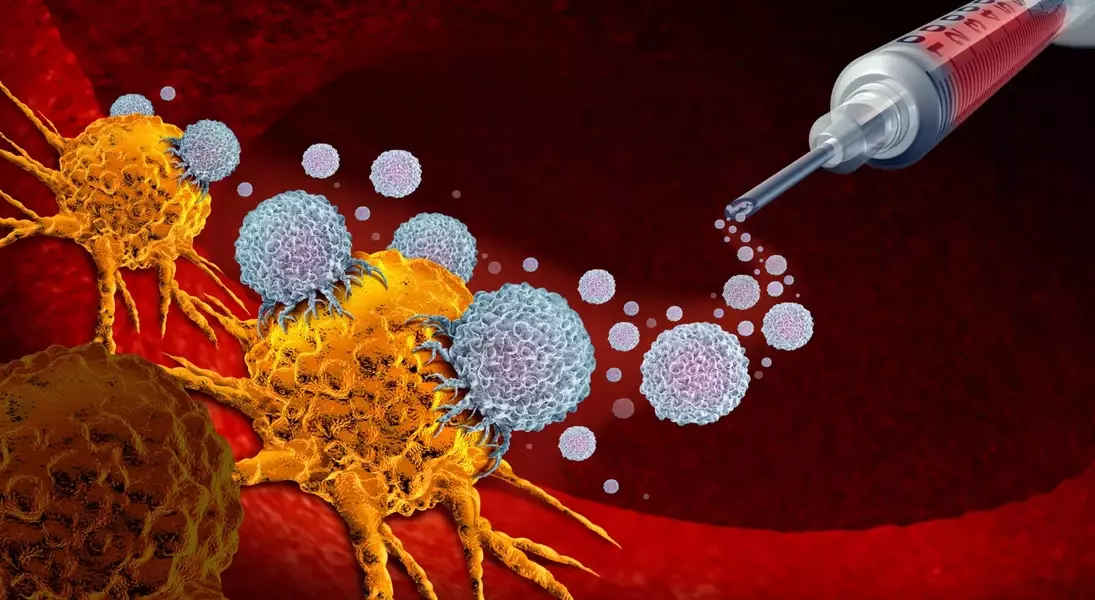
Intriguingly, in animal models, activating reward-related dopaminergic pathways has been shown to modulate sympathetic signaling, alter immunoregulatory cell mobilization, and impede tumor growth. The review cautiously labels the notion that profound positive emotional experiences in humans could yield similar anti-tumor effects as plausible but unproven. Furthermore, the evidence regarding direct anti-tumor effects is contradictory; some preclinical studies report accelerated tumor growth under specific psychedelic conditions, while others show enhanced anti-tumor responses when psychedelics are combined with immune checkpoint inhibitors, a finding that requires independent verification. Epidemiological data on lifetime psychedelic use and cancer incidence generally show no significant association, but these observational studies cannot establish causality.
The review also flags a critical nuance: the anti-inflammatory effects of psychedelics, such as a shift towards mediators like IL-10 or TGF-beta, could, in certain contexts, suppress anti-tumor immune surveillance and interfere with concurrent immunotherapy. This highlights that reducing inflammation may not always be beneficial for cancer patients, underscoring the need for context-specific clinical data.
The authors are explicit that current evidence does not advocate for the routine integration of psychedelics into standard cancer treatment protocols. Key endpoints like tumor regression and survival remain largely unexamined. Safety concerns include transient increases in blood pressure and heart rate, potential arrhythmia risks, and heightened caution for patients with brain tumors due to seizure and intracranial pressure risks. Comprehensive screening for psychosis or bipolar disorder history is recommended, and drug-drug interaction studies are still required.
The proposed research trajectory is methodical, advocating for trials focused on psychological and quality-of-life outcomes, accompanied by exploratory biomarker analysis. They suggest safety-first studies in immunotherapy patients, survivorship studies addressing neuropathic pain, fatigue, and sleep, and animal tumor models designed to differentiate stress physiology from direct neuroimmune effects. A more futuristic concept involves "psychoplastogens," compounds that induce neuroplasticity without significant subjective psychoactive effects, potentially making treatment accessible to medically fragile patients. This, too, is presented as a hypothesis awaiting rigorous investigation.
The authors conclude with a grounded perspective: the immediate objective is not to uncover "mystical cures" but to develop scientifically validated, ethically delivered interventions that genuinely improve the quality of life for cancer patients. While the question of whether psychological relief can directly impact tumor progression is just beginning to be explored with scientific rigor, the substantial benefits in reducing fear and distress for select patients in carefully managed settings are already well-documented.
The research was supported by significant grants from the National Natural Science Foundation of China, the STI2030-Major Projects, the International Partnership Program of the Chinese Academy of Sciences, and the Jilin Province Science and Technology Program.