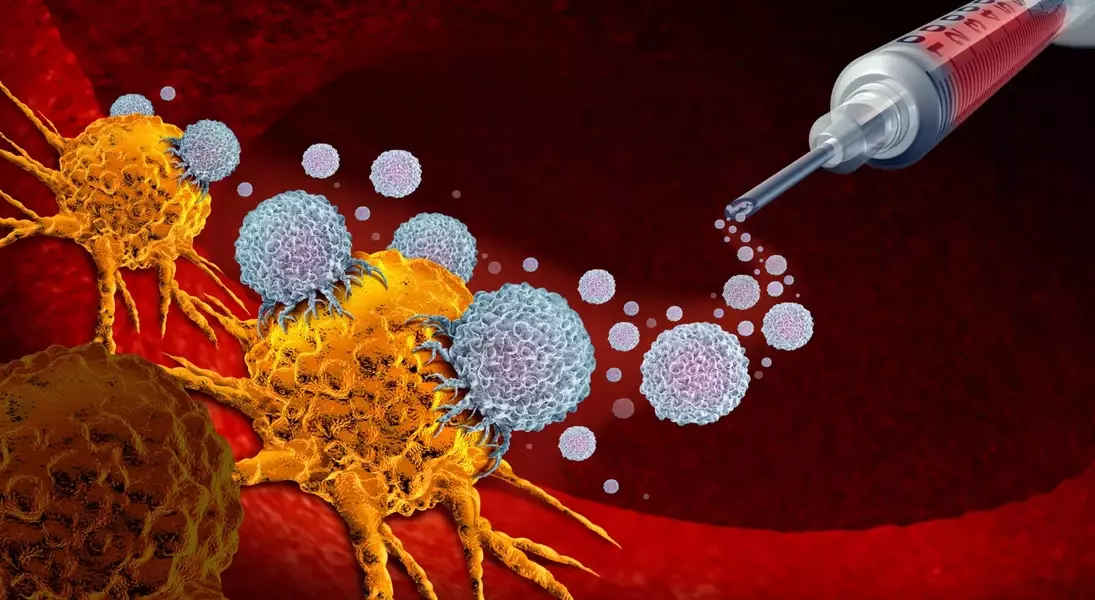
The recent promising results from a late-stage clinical trial involving an mRNA-based cancer vaccine have generated significant excitement within the medical community. This novel therapeutic, developed by Merck and Moderna, demonstrated a notable ability to prevent the recurrence of melanoma, fueling hopes that similar mRNA strategies could be successfully employed against other forms of cancer.
Despite this significant advancement, the scientific community is now faced with the critical task of determining which other cancers might respond to mRNA-based treatments and whether this technology is truly robust enough for widespread application. Experts acknowledge that while the melanoma trial’s outcomes were eagerly anticipated and have indeed provided a substantial boost to the field, much remains to be understood about the precise mechanisms and broader potential of using messenger RNA to prime the immune system against malignant cells, an concept that originated decades ago and is now experiencing a resurgence in development.
This ongoing inquiry highlights the dynamic nature of cancer research, where each breakthrough opens new avenues for exploration while simultaneously posing new challenges. The future trajectory of mRNA cancer vaccines hinges on continued research and development, careful evaluation of diverse clinical data, and a commitment to understanding the intricate interactions between these advanced therapies and the complex biology of cancer. This diligent scientific pursuit is essential to fully realize the transformative promise of mRNA technology in battling a wide array of cancers.