In anticipation of pivotal midterm elections, Robert F. Kennedy Jr. is intensifying his political outreach, focusing on themes that resonate deeply with his "Make America Healthy Again" (MAHA) supporters. During a recent campaign event in Clive, Iowa, a diverse array of activists and Republican contenders gathered to voice their concerns. The discussions spanned critical assessments of large-scale agricultural practices, the increasing prevalence of chronic illnesses in the nation, and urgent calls for the reevaluation of Covid-19 vaccine protocols. This rally served as a platform for prominent figures, including Florida Surgeon General Joseph Ladapo, who presented questionable assertions regarding the hepatitis B vaccine, and Michael Boes, chief MAHA officer at Steak 'n Shake, who characterized the MAHA movement as a force for significant societal transformation. Zen Honeycutt, founder of Moms Across America, advocated for the elimination of legal protections for pesticide and pharmaceutical corporations, reflecting a broad-based skepticism towards established industries.
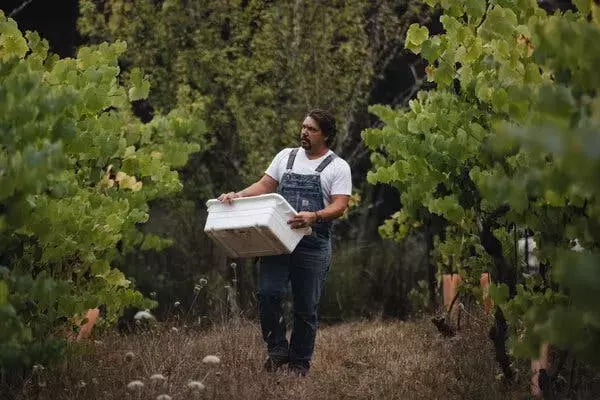
While the Iowa rally was ostensibly held in support of Zach Lahn, a farmer-turned-Republican candidate for governor, a substantial portion of the evening was dedicated to setting the stage for Kennedy, who has been a vocal proponent of Lahn's candidacy. Before Kennedy's address, a video showcasing his speeches, interactions with President Trump, and even physical activities was played, set to the tune of "Free Bird." Upon taking the stage after Lahn, Kennedy framed Lahn's agenda, which largely targets industrial agriculture, as a profound "spiritual struggle." He articulated a vision where food production prioritizes public health, stating the imperative to cultivate food in ways that do not imperil children's health, contribute to cancer, or degrade the soil. Kennedy linked healthy soil to a flourishing microbiome, which he believes is fundamental to overall human well-being, fostering a robust and vibrant populace.
These political endeavors by Kennedy and his allies highlight a growing segment of the electorate that is deeply concerned with the intersection of public health, corporate influence, and governmental policy. Their campaign underscores the importance of critical thinking and demands for accountability from institutions that shape our daily lives. By advocating for transparent and ethical practices in agriculture and medicine, they inspire a collective movement towards a future where human well-being and environmental stewardship are paramount. This narrative encourages citizens to engage actively in shaping policies that truly benefit society and promote a healthier, more sustainable world for everyone.